DesigningDesigning the
the futurefuture we
we wantwant
What is the
future you
want?
A better future doesn't happen by
chance — it's designed.
CounterFactual is a behaviour change studio that works with councils, not-for-profits, and community organisations to turn complex challenges into meaningful progress.
We bring together behavioural science, systems thinking, and relational design to find solutions that are both evidence-based and creatively ambitious. Our role is to step in when the answers aren't obvious, helping you find clarity in complexity and momentum in uncertainty.
Our vision is a society that lives sustainably within its natural environment, is resilient to the challenges thrown at it, and in which all of its members are genuinely engaged in its functioning and welfare.
We don't think that future is out of reach — but we do think it will only happen through careful thought, deliberate design, and a willingness to move toward it together.
Our Focus Areas
Environmental
sustainability
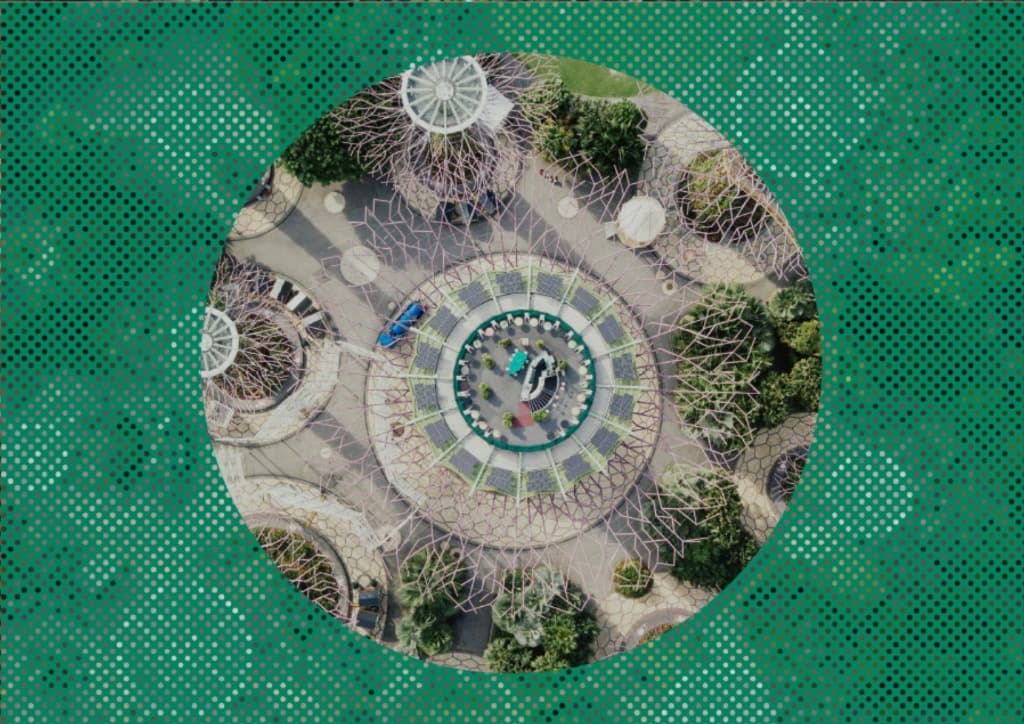
The systems for a more sustainable future are often already taking shape — but people need to be brought along with them. We work with organisations on the services and touchpoints that help communities make better use of what's available, turning good intentions into everyday action.
Community
resilience
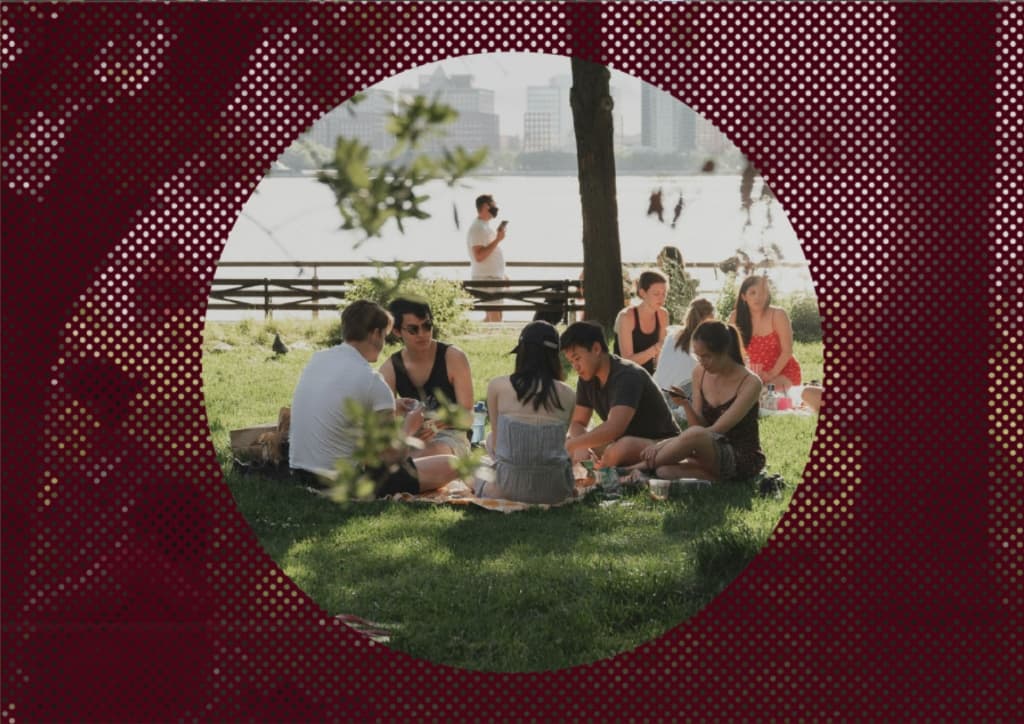
Communities face increasing disruption from climate change, extreme weather, and systemic shocks. We help organisations think ahead, build preparedness, and design for long-term adaptation.
Civic
engagement
A healthy society depends on people feeling informed, empowered, and involved in civic life. We support councils and organisations to create the conditions where genuine participation is possible.
our work
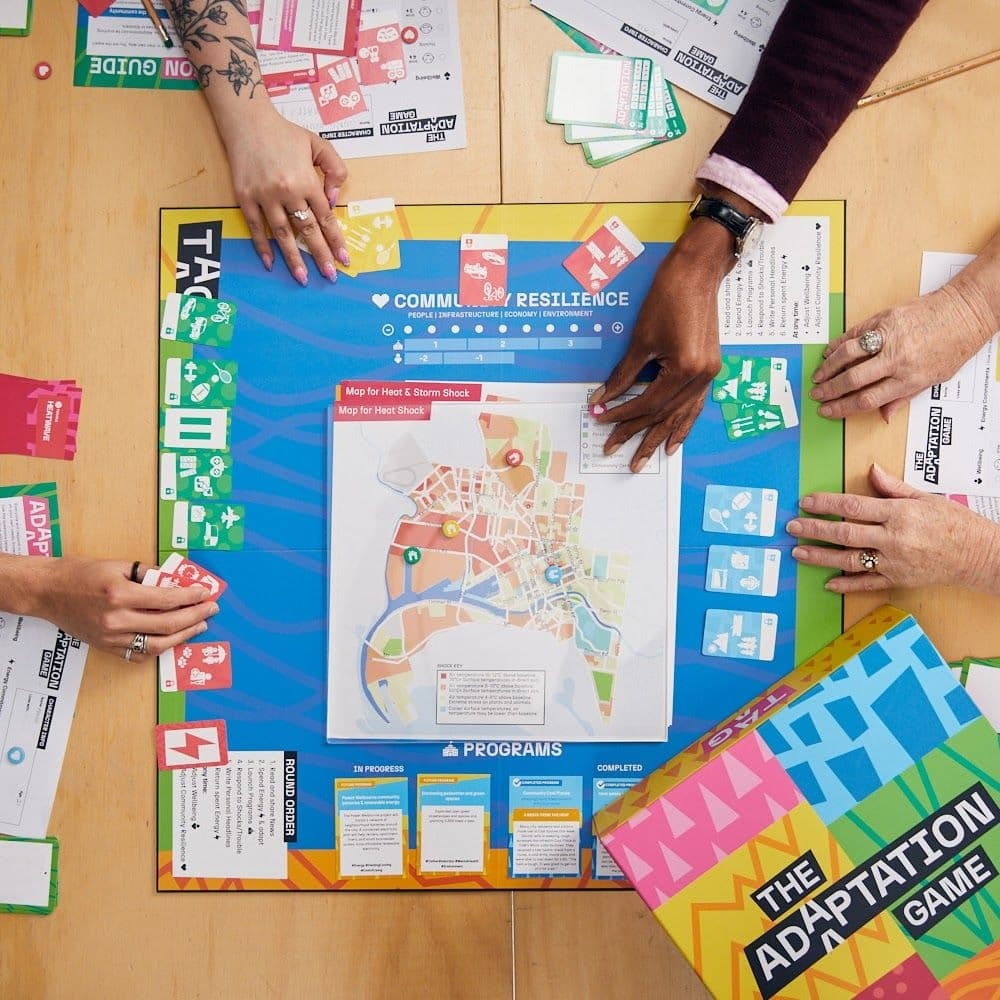
The Adaptation Game
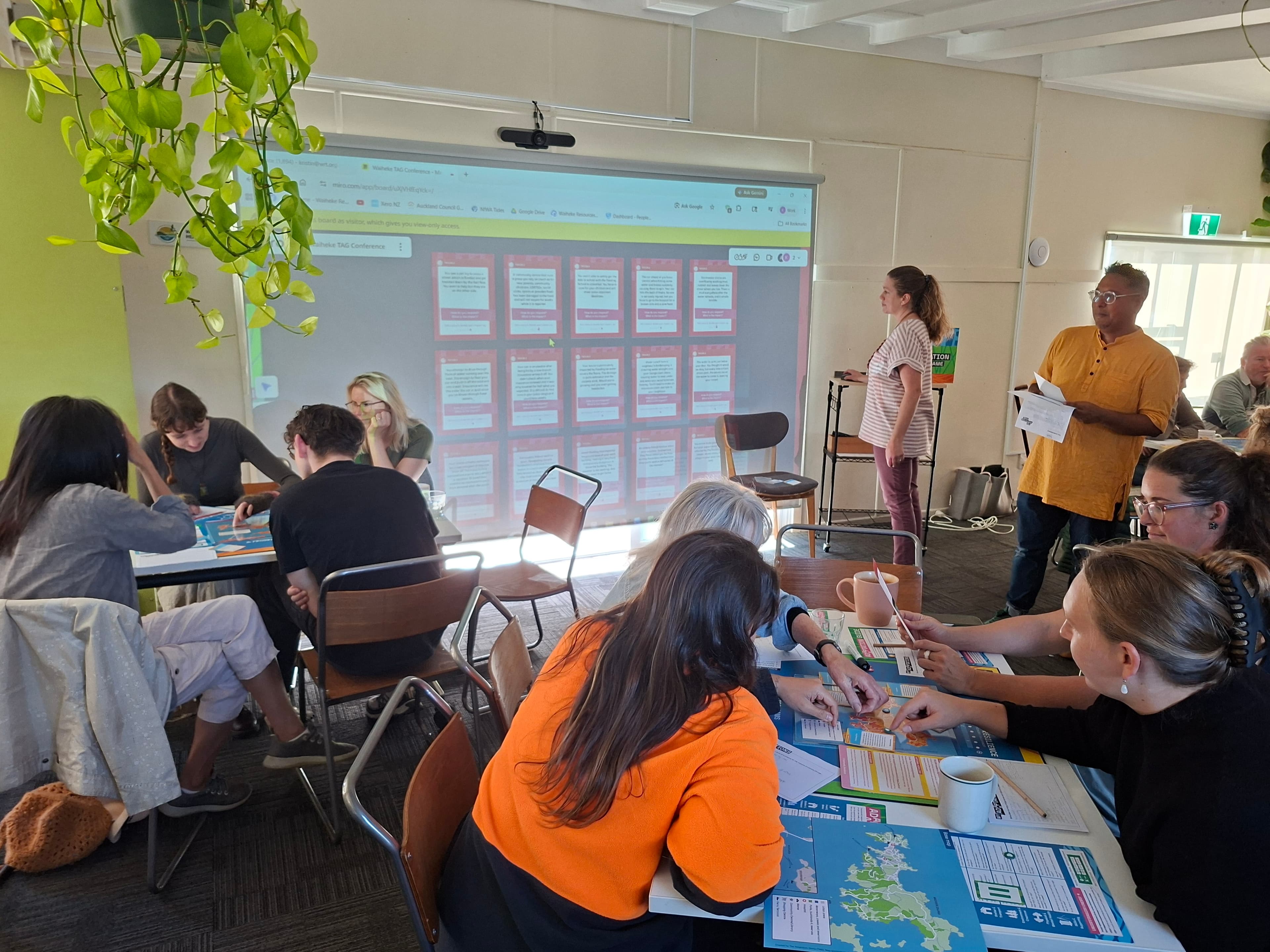
We brought the Adaptation Game to Tāmaki Makaurau Auckland — a scenario-based experience that invites communities to explore the climate futures heading our way. Drawing on the original Australian framework and our local work through Weathering Tomorrow Together, the game helps participants think through the real impacts of climate change and what adaptation might look like in their own backyard. Want to know more? Contact us direct, or look at our short project video.
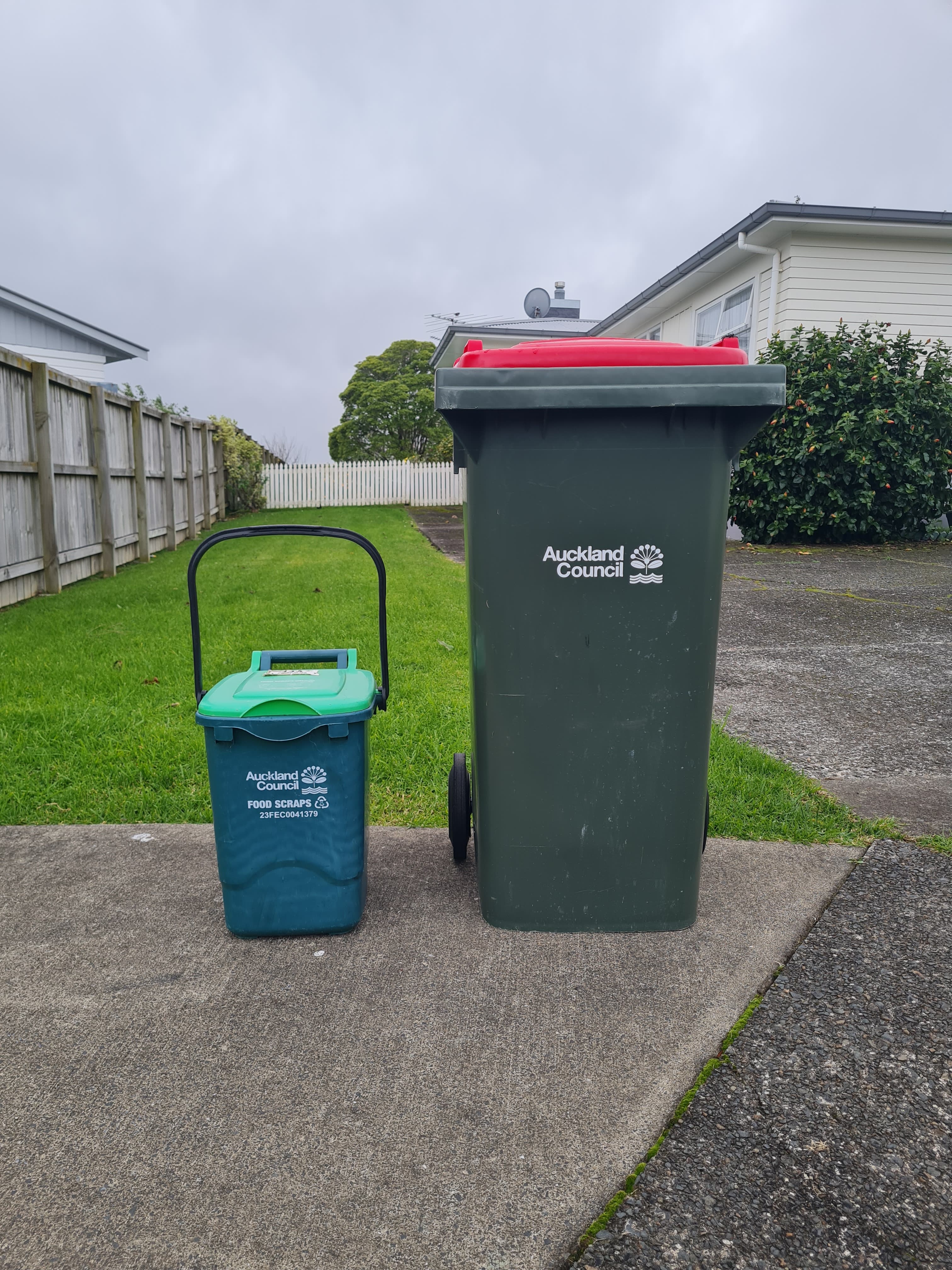
Auckland's food scraps service
Most Auckland households now have access to a food scraps collection service — but access alone doesn't drive participation. Working alongside Auckland Council and EcoMatters, we're designing and testing a behaviour change programme that helps residents build the habits and confidence to make regular use of what's already available. Progress is tracked through sustained increases in participation at the suburb level.

Vote, Actually
Wanting to vote and actually voting are two different things. We dug into the research on what holds people back from participating in local elections, and used those insights to design and test a practical txt and email service with people who intended to vote. Vote, Actually was the result — a lightweight intervention built around the real barriers between intention and action.
Every engagement starts with exploration — understanding the specific behaviours that need to change and what's actually preventing them.
From there we design responses that fit the context: the people, the relationships, the system, and the history. Our work draws on behaviour science, systems thinking, and relational design. We're rigorous about method and honest about what we don't know.
start with a question
If you're working on a problem that involves changing behaviour — in communities, organisations, or networks — we're happy to talk it through.
start with a
question
If you're working on a problem that involves changing behaviour — in communities, organisations, or networks — we're happy to talk it through.
about us
Cole
Armstrong
Director, Behaviour ChangeCole works at the intersection of behavioural science, research, and social change — bringing rigour and curiosity to questions about why people behave the way they do, and what it takes to shift that behaviour in meaningful ways.
He holds an MSc in Social Research Methods from the London School of Economics, and has applied that grounding across projects funded by the EU, the British Government, the United Nations, the Gates Foundation, and local and central government in Aotearoa New Zealand.
In 2017, Cole founded NeuroSpot, a behaviour change agency working with leading commercial, government, and not-for-profit organisations across New Zealand. CounterFactual extends that work into the social innovation space — bringing a behavioural science lens to challenges where the stakes extend beyond the organisation to the communities they serve.
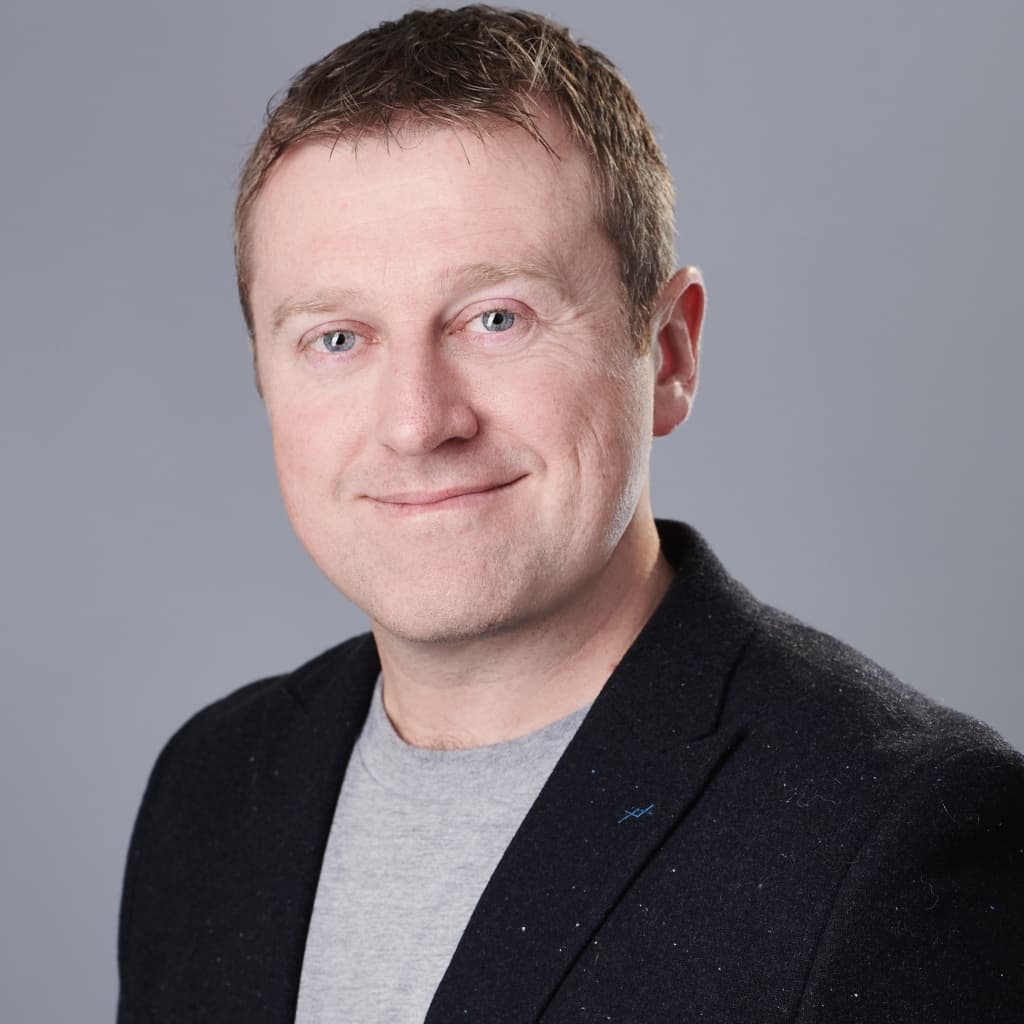
Baruk
Jacob
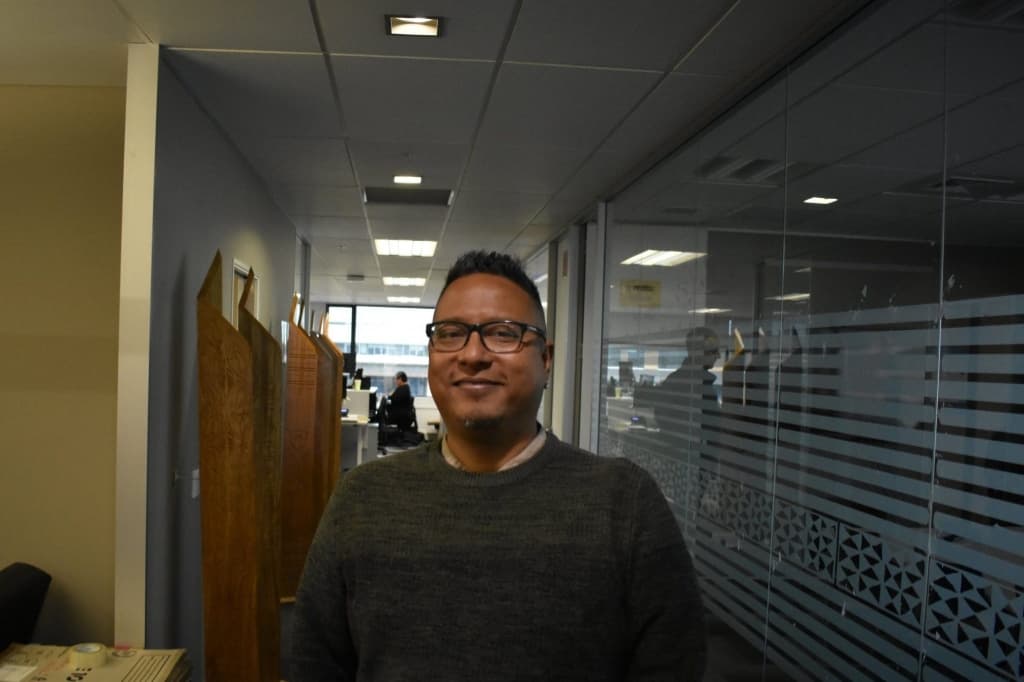
Director, Relational DesignBaruk is Tangata Tiriti from India (Mizoram, Kerala), and works at the intersection of systems thinking, relational design, and behaviour change. He brings a practice-based approach to complexity — designing processes, tools, and engagements that help people and organisations navigate problems that don't have straightforward solutions.
He is completing a PhD at AUT focused on growing innovation capability in teams, using Hautū Waka as both method and subject. Alongside CounterFactual, he advises postgraduate students at academyEX.
Prior to CounterFactual, Baruk worked with Auckland Libraries, the Auckland Co-design Lab at The Southern Initiative, and Whānau Tahi.